
Bhutan
Bhutan
A Destination Guide to the land of the thunder dragon

Our van crept its way through winding roads that run alongside the river flowing through the heart of Paro, occasionally slowing for the stray cow that meandered away from its herd. I was dozing off and semi- consciously overheard the hushed conversation of the two women I had been traveling with for the previous nine days. “I find it hard to relate to family and friends back home. Having all these experiences while traveling, I return and the topics of conversation seem petty and trivial.”
Suddenly my mind shifted from the spiritual and cultural journey we had been on and an overwhelming wave of melancholy settled over me, conceding to this woman’s admission. How could I return to the regularly scheduled programming of my life back home following a trip to Bhutan? Somewhere between observing a traditional dance at Amankora and summiting the mountain to Tiger’s Nest, the schism presented itself between our consumer-driven and narcissistic society and a world that exists beyond that.
Meaningful human connections made while in Bhutan, perhaps fleeting, felt very honest, very real and very happy. Bhutan has long been known for its Gross National Happiness, a concept conceived and posited by His Majesty Jigme Singye Wangchuck, the Kingdom’s fourth King, in 1974 at the beginning of his reign, and is woven through the fabric of Bhutan still today. As our pursuit of this happiness guided us through Bhutan’s seven majestic valleys, we discovered – at an almost inhumane speed – all the hotels and experiences that can be found within Bhutan.
Each valley offers unique attributes and a compelling reason to be the best one, but if the focus is on what there is to see and do and where to stay, I’d be missing the whole point. While we saw all of the best and most luxury hotels in Bhutan, including the several locations of Amankora and the Six Senses Bhutan, the most important aspect of a trip to Bhutan is not where you lay your head at night, but rather, the experiences that will confront you. The truth is, Bhutan is a feeling, one that can’t be explained without having lived it. The figurative key to these profound experiences is held by the guide with whom you travel, and I just happened to have traveled alongside the man with the golden key.
Perfect For:
Honeymooners | Adventure Trips | Trekking | Spiritual Journeys and Retreats | Anniversary Trips | Travel with Teens | Hikers | Cultural and Religious Educational Trips

Getting to Bhutan
Bhutan is not an easy destination to get to, which lends to its appeal as an ‘off-the-beaten’ path destination, the ultimate in the status symbol of travel. Quoting loosely from Teddy Roosevelt, “Nothing in this world is worth doing unless it requires effort, a little pain, and difficulty to get there.” There are daily flights from Bangkok and twice a week flights from Dubai and Singapore, I chose Dubai as my path of least resistance to get there. When I work with clients, I like to plan out air routing that makes logistical sense, which usually includes a stopover along the way.
When is the Best Time to Visit Bhutan?
Bhutan is beautiful year-round, but the best time to visit is from September to November and March to May. June, July and August are
monsoon season, but I was there in early June and we had beautiful blue skies throughout the entire trip. Winter in Bhutan can be cold with snow
at higher elevations, but the valleys oftentimes remain sunny and accessible.
Kingdom of Bhutan
27.5495110,90.5119273
Bhutan

BHUTAN Luxury Travel Guide
What to Do in Bhutan
Bhutan is a destination unlike any other, and there is plenty to do, no matter what your activity level. As a mom of three kids, I’d recommend traveling to Bhutan when the kids are a little older, probably starting from age 10 and up. A trip to Bhutan can be physically taxing, and the spiritual and cultural lessons to be had may not be appreciated.

Paro
There are many ways to start and finish your trip in Bhutan, depending on how many nights you have and how much you want to see. I began with two nights in Paro, mainly due to Dubai’s flight schedule. This allowed some time for acclimating before starting off on the rest of my journey through Bhutan. Alternatively, many people skip Paro in the beginning to spend more time there at the end.
I stayed at Zhiwaling Heritage Hotel, a certified National Geographic Unique Lodges of the World. It’s a very peaceful property located just 10 minutes outside of downtown Paro and synergizes the traditional with modern touches. After arriving midday, my guide allowed me some time to rest, have lunch and refresh, and then drove me to Paro as we walked around town and talked. It doesn’t take long – maybe 30 minutes to walk from one side of town to the other. Paro is home to Tiger’s Nest monastery, or Paro Taktsang, which I will go into detail at the end of this article.
Punakha
On our way to Punakha valley, we stopped in a village called Sopsokha, best known as The Phallus Village. The phallus is a symbol of fertility, but is also rooted in the story of Drukpa Kunley, AKA the “divine madman,” a Buddhist saint who dates back to the 15th century. A lesson learned from this trip: every town in Bhutan is unique, so if you see something that you’d like to take home, don’t second guess yourself and just buy it because you likely won’t see the same thing twice. These little (and rather large) handicrafts were exclusive to this town, so I missed out on the opportunity for some epic Christmas gifts.
Punakha is a peaceful valley and famous for the Punakha Dzong temple, the second largest and also oldest temple in Bhutan. At this temple, Zhabdrung Ngawang Namgyal, the founder of Bhutan, is entombed in the Machen Lhakhang temple within the Punakha Dzong. I mentioned our guide’s golden key. With that, we received the exclusive opportunity for a blessing by the Machey Lam, a lama whose sole role for the entirety of his life is to watch over the tomb of Zhabdrung Ngawang Namgyal. Leave it to me to blow this sacred moment by drinking from a water bottle during the ceremony. I learned the hard way that you’re not supposed to do that.
After my botched blessing, we headed over to the Punakha suspension bridge, which magnificently connects two towns. During our walk, we could peek down into a Buddhist seminary, witnessing young monks-in- training playing soccer and basketball. Bhutanese boys may enter the monastery as young as 6-years-old, and it’s typically the first-born in the family to go. Imagine delivering your young son to a lifelong commitment to preserving and practicing the doctrine of Buddhism. As an American I found this so heartbreaking, but in Bhutan, the practice and sacrifice is deeply honored and respected. Eventually, the Buddhist monk is allowed to occasionally return home for visits, but they are largely part of the monk sangha and will remain so for the remainder of his life. The suspension bridge is also amazing, and I wish I could say that I crossed it with confidence and bravery. I was about 15 steps in when my fear of heights kicked in and I retreated back like a total coward. Heights and I don’t mix well, but for any normal person, I would highly recommend the experience of crossing the suspension bridge in Punakha.
Thimphu
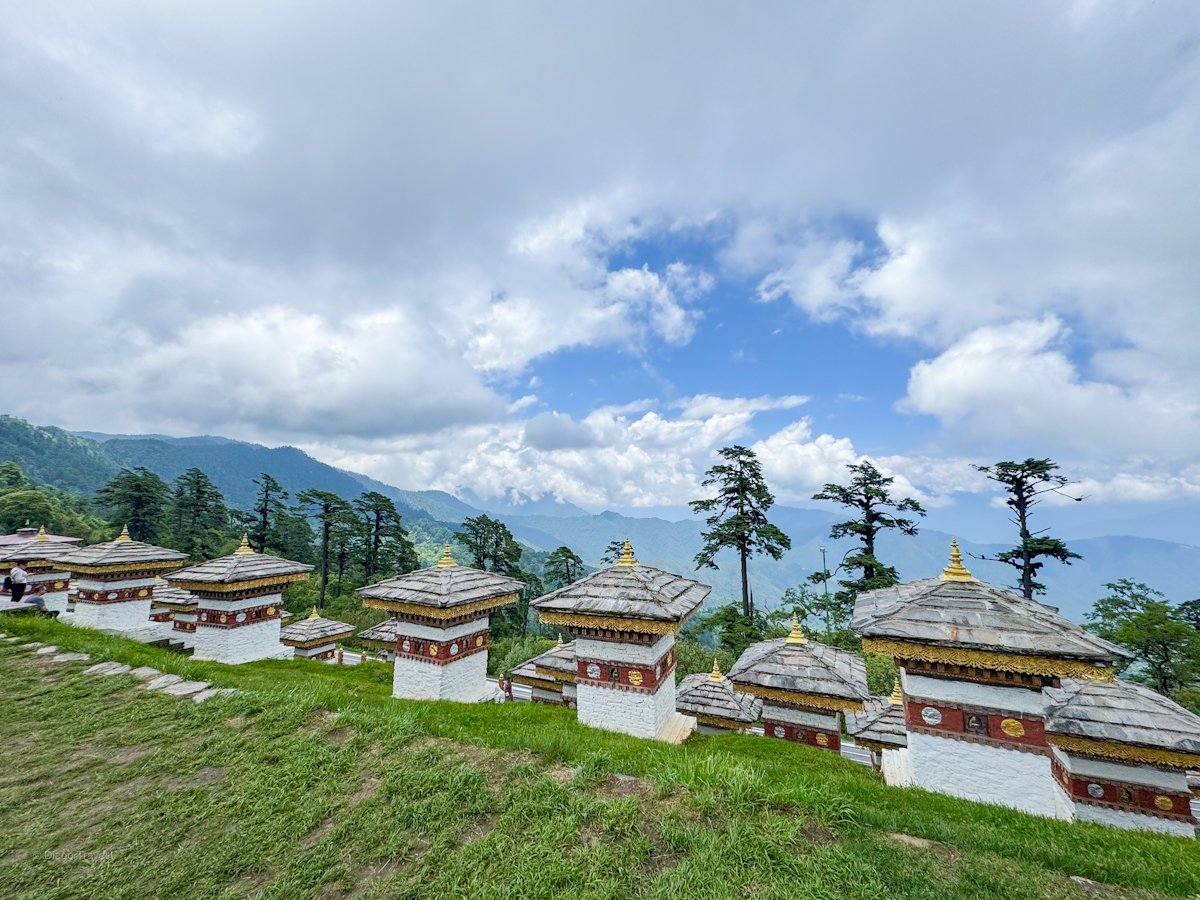
Next we traveled to Thimpu, which is a beautiful lush valley with a river that runs through it. Between Thimpu and Punakha lies 108 stupas at Dochu La, which is a must-see. Built in 2006, Buddha Point is a giant statue that sits atop a mountain and rises high over the city. It was a gift from other countries to the Bhutanese king for his 60th birthday, and presently remains one of the most important landmarks in Bhutan. During our time in Thimpu, a festival for Buddhist monks was taking place at Buddha Point. Again, the golden key gave us the opportunity to visit this conference. It required a 3 AM wakeup call, but it was well worth the extra effort and something few people will ever experience and I certainly will never experience again. We were literally the only tourists there amongst thousands of attendees, which felt a bit intrusive but also gave me an overwhelming sense of gratitude.
Haa
Our journey continued up the winding roads of Bhutan, up and up to Haa, a small town in northern Bhutan with 13,000 people and 11,000 farmers. It is the least populated district of Bhutan but we came here for a good reason, which I’ll get to in a second. First, we stopped for lunch at an exclusive homestead along the way, which again opened to us with that golden key. Lunch was an authentic Bhutanese meal of chili cheese and hoentay, prepared by a mother and her daughter and served as we sat around in a circle on floor cushions.
Following lunch, we drove to the metaphorical and literal end of the road, where we unpacked our bags to trek into territory that belongs to the elusive red panda, snow leopard, pheasants, foxes, small cats, wild boar, the bengal tiger, and the Himalayan black bear found at higher altitudes. Now, to set the stage: I am not a hiker nor an outdoorsman. I was wearing Golden Goose sneakers, of all the shoes! But don’t you worry, I will be sending you a proper packing list. After a brief rain, we ventured through a path of thick mud toward the mysterious Sangwa Camp, a site that I Googled in vain to try to find out more information. Organized by the one and only MyBhutan, the experience involves an entire village taking two weeks to assemble a remote camp site, complete with temporary plumbing and electricity. The luxury traveler, like myself, need not sacrifice an actual toilet, a real bed, furnishings, incredible dining with an on-site chef, and even a spa tent set up especially for a massage in the middle of the woods. It would be a disservice to yourself to experience Bhutan without experiencing Sangwa Camp, and I cannot recommend it enough. It was the highlight of my trip, and something I will never forget. I’m going to leave it at that because the element of surprise is half the fun, but it was truly one of the most extraordinary experiences of my life.
LAYA
While I didn’t get to reach Laya on this trip, it intrigues me enough for a return visit to Bhutan as soon as I am able. The indigenous Layaps live 12,533 feet above sea level in the highest village of Bhutan, and are most famous for harvesting cordyceps, a caterpillar fungus that look as disgusting as they sound. This highly sought after medicinal fountain of youth goes for $15,000 for 3.5 ounces. Yes, read that again slowly. Cordyceps boost your immune system, increase athletic and sexual performance, and slows the aging process. Who wouldn’t want all of that? While I didn’t try any, apparently it’s quite effective as there is a huge market for them and as a result, the Layaps are loaded.
Maybe less interesting to some, but more interesting to me, are the exquisitely beautiful genes of the Laya, the hats and garments that they wear, and their status symbol of wealth. The pots stacked in their kitchen are the status symbol – a fully loaded kitchen is like the Birkin bag of Laya. Unfortunately, there are only two men who know how to make the Layap hats, so a part of MyBhutan’s mission is to preserve these ancient traditions. Through their Soul Projects, an apprenticeship program will be funded to ensure the next generation is taught the beautiful craft of this hat making tradition.


Where to Stay in Bhutan
A Note About The Aman and Six Senses Hotels in Bhutan
Both Aman and Six Senses offer multiple locations in Bhutan. Aman offers a Bhutan Journey, a canned itinerary that routes you through all of their locations. Don’t get me wrong. I loved Amankora, but the five locations feels similar and there is something to be said for having a unique stay in every stop. I also think the element of true personalization is critical in Bhutan, which is where I come in as well as my partners at MyBhutan. We can discuss the ins and outs of the various Amankora locations as well as the Six Senses and figure out which will work best for your itinerary on an introductory call, which you can schedule here.
Paro Hotels

Zhiwaling Heritage Hotel
Located slightly closer to town and the airport, I think this is a great option with an authentic sense of place and a view of the distant Tiger’s Nest. Their in-house temple was build with 450 year old timbers that were originally part of Gadgety Monastery, built in 1613. There are great family-friendly room accommodations here.

Amankora Paro
Just five minutes further from town than Zhiwaling Heritage Hotel, Amankora Paro is set within a lush pine forest with a trickling stream that runs through it. It has 24 suites and a 2-story spa, which I cannot recommend enough. The suite is amazing and a stay here is the perfect finale for your trip to Bhutan.
Thimphu Hotels
Amankora Thimphu
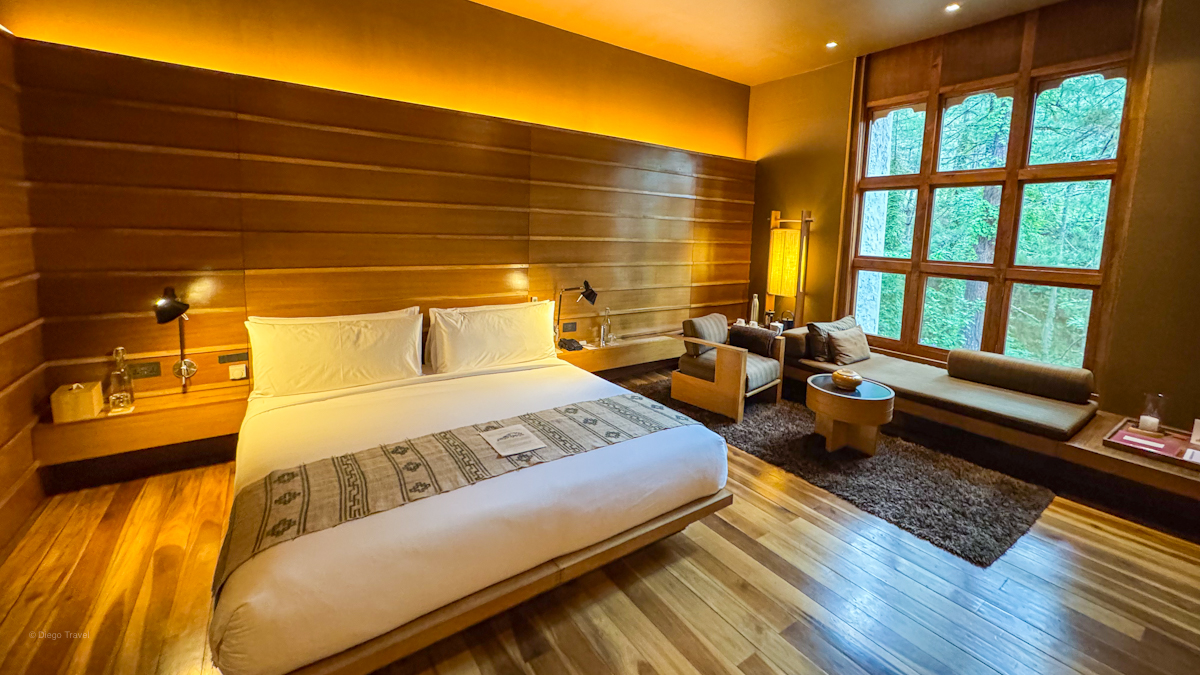
Amankora Thimphu is nestled in a wooded area as well and has 16 suites and a small spa. The property is quiet and lacks a pool or views from the property. However, it is very quiet and peaceful, and the suites, in typical Aman fashion, are incredibly spacious.

Six Senses Thimphu
Six Senses Thimphu is a bit larger than Amankora, but offers more options from Lodge Suites up to 3-Bedroom Suites, perfect for multi-generational families or friends traveling together. They also have a beautiful infinity pool with direct views to Buddha Point, and stunning mountain vistas. A highlight of our stay at Six Senses Thimphu was the authentic tea ceremony, and the steak I had here was one of the best I’ve had in my life.
Punakha Hotels
Six Senses Punakha
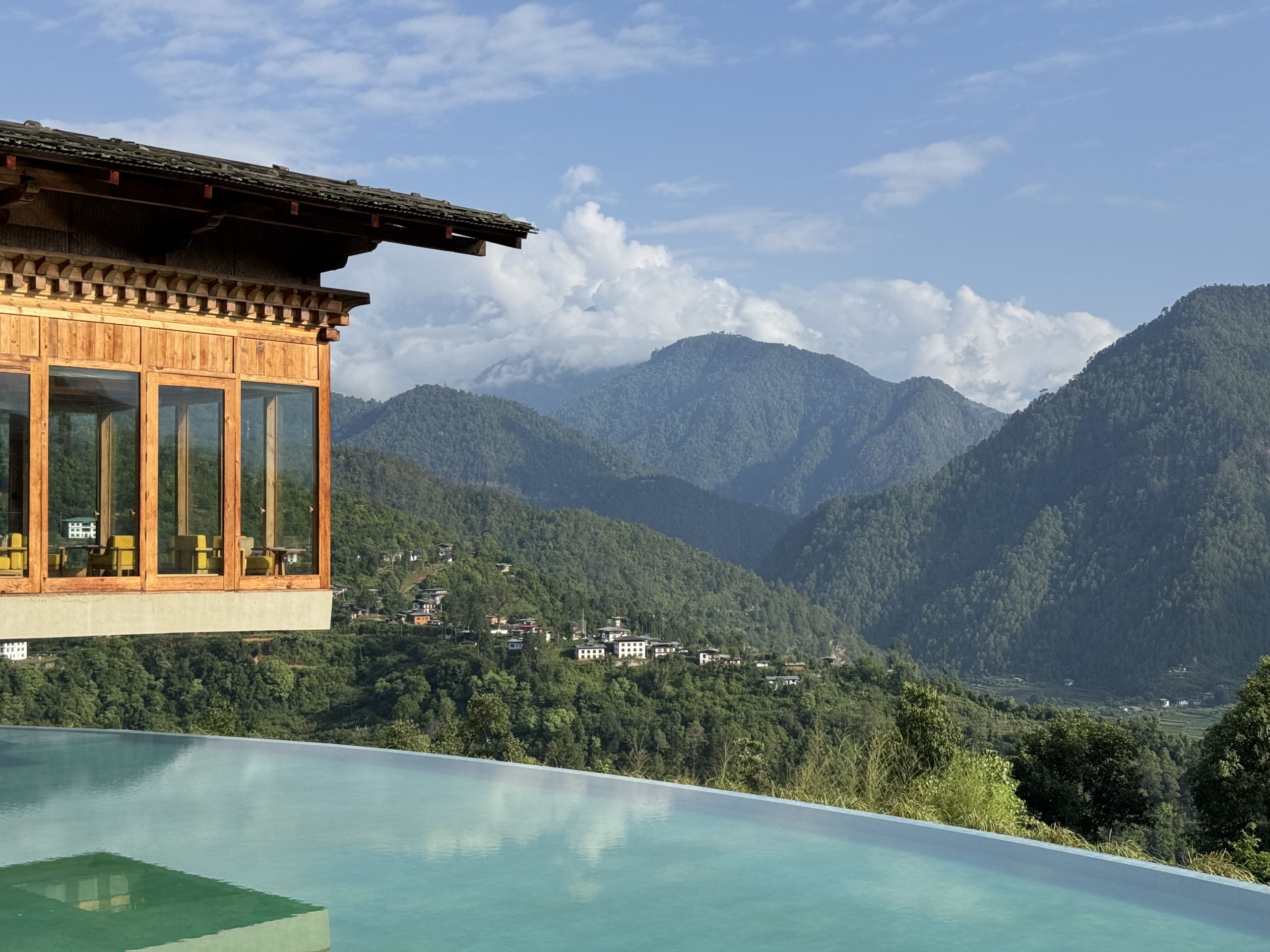
We stayed in Six Senses Punakha, which has the advantage of being perched at the top of a hill that overlooks the valley below. An infinity pool, much like the location in Thimphu, offers a stunning view. The property offers golf cart rides to and from your suite, as it is located on a steep incline so walking to and from may be difficult for older guests.
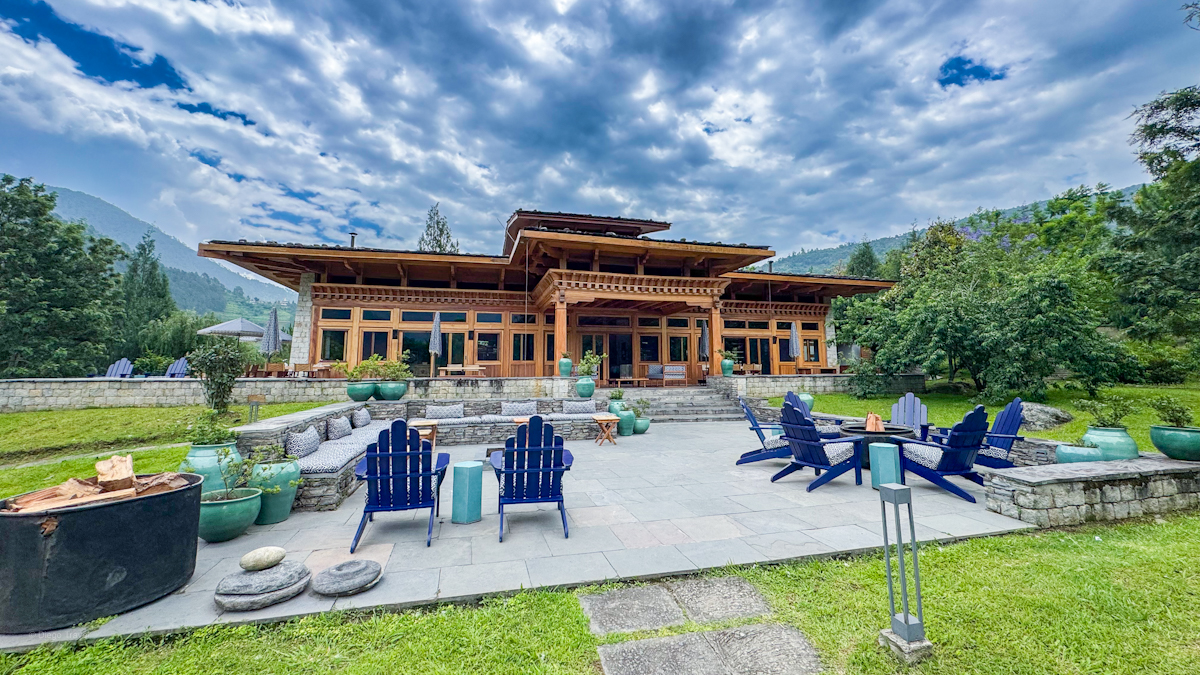
&Beyond Punakha
This is one of the newer properties in Punakha and the first in Bhutan from the &Beyond brand. It was incredibly beautiful and feels like a design-forward luxury tented camp with a comfortable lobby, bar and outdoor spaces for gatherings with friends. Nestled next to the Mo Chu River, I really loved the riverside one bedroom suites, the River House and 2-bedroom family suite options here. Featured in Robb Report and AFAR, &Beyond Punakha was one of my favorite properties in Bhutan.
They also have a wellness spa and often host leading holistic practitioners with programming that we can incorporate as part of your
visit to Bhutan.
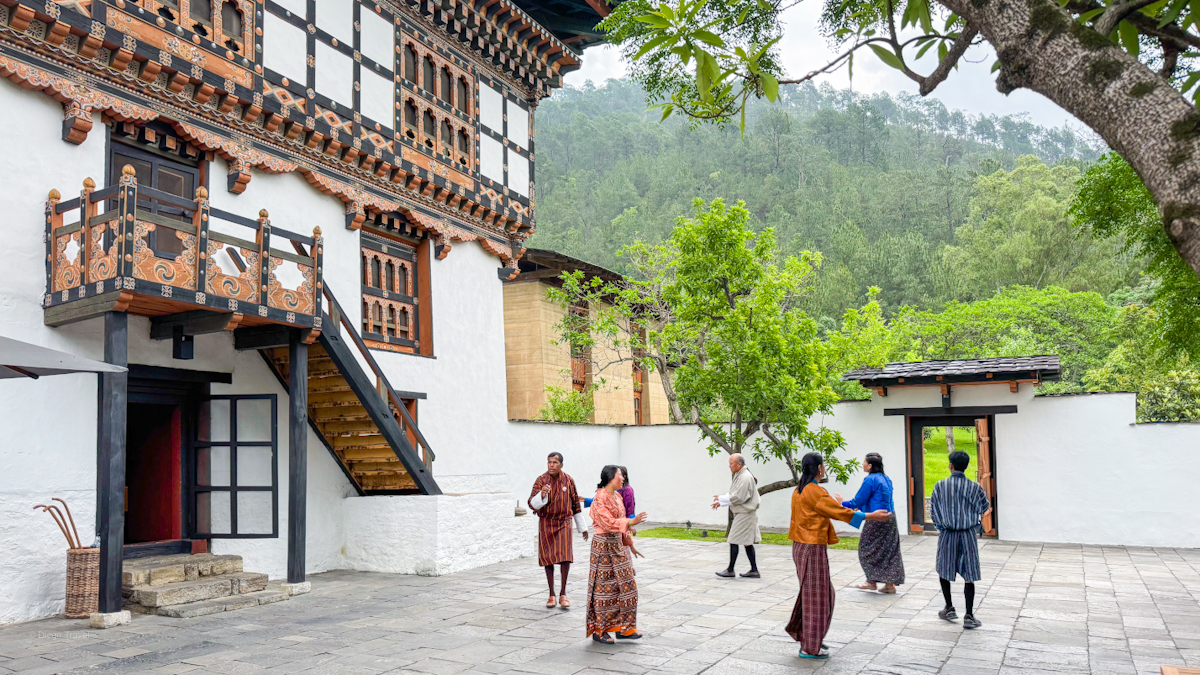
Amankora Punakha
With only 12 suites at Amankora Punakha, the highlight here is the old farmhouse that dates back 300 years. Two suites have living rooms which can be combined to create two-bedroom suites. This location has a 30-meter outdoor infinity pool that overlooks rice fields along with a 2-story spa. There’s also a lovely suspension footbridge that you can cross in order to enter the property, which even with my ridiculous fear of heights, I was able to handle.

Pemakö
Pemakö was designed by the famous Bill Bensley, an Asia-based interior designer with a flair for the wild and a loyal cult following. Located adjacent to Amankora, this newly opened property felt the most expansive, with each villa enjoying total privacy. Something unique about this property? The widest bed I had ever seen, made custom for this hotel and a retrofit that raises a lot of questions.

COMO Uma
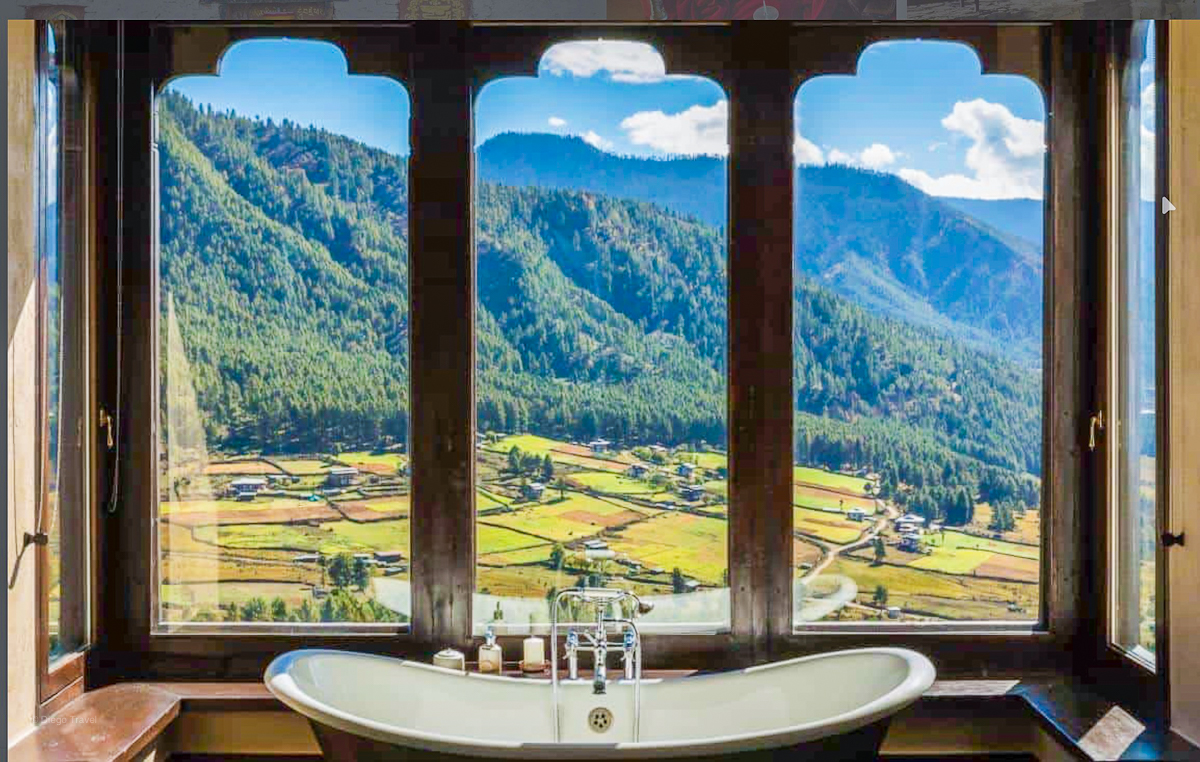
I would be remiss not to mention COMO Uma, the final hotel we visited in Punakha. Boutique in size and authentic in feeling, this property also sits on a hilltop so requires steps to get to some rooms. The highlight here was the small but mighty spa, with treatment rooms overlooking the valley below and one of them offering a beautiful wooden tub with this
incredible view.
Gangtey Lodge in the Phobjikha Valley
I met the owners of Gangtey Lodge in Morocco a couple of years ago and had been looking forward to seeing this property. Gangtey Lodge overlooks a 17th century monastery in the Phobjikha valley and pride themselves in the balance of space, place and scenery. Their palpable passion for Bhutan was a driving motivator to visit this country. Unfortunately, I did not have time to visit the Phobjikha valley on this trip. I look forward to a return visit to Bhutan, but for most of my clients I would encourage a minimum of 12 nights in order to cover more yet enjoy a slower pace as well.
A Few of My Favorite Things
Bhutan
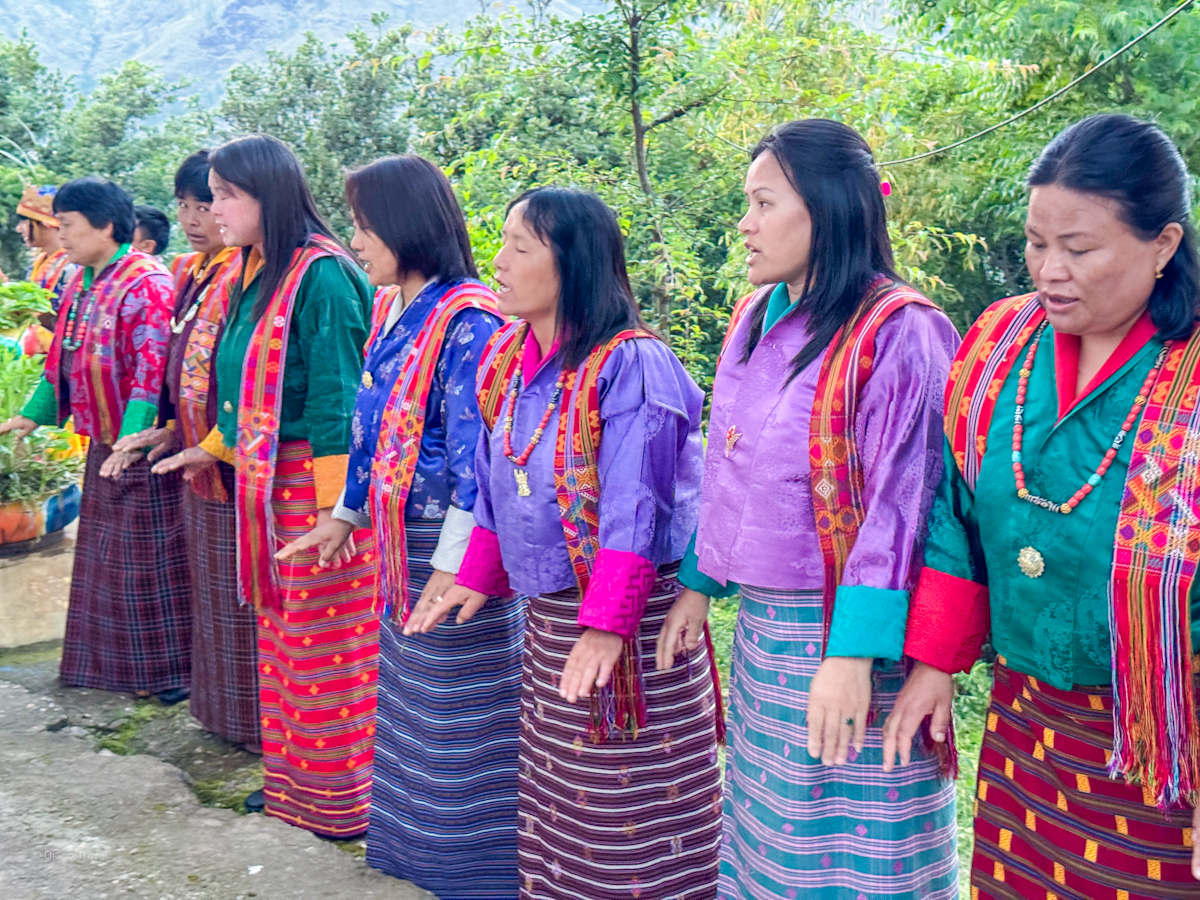
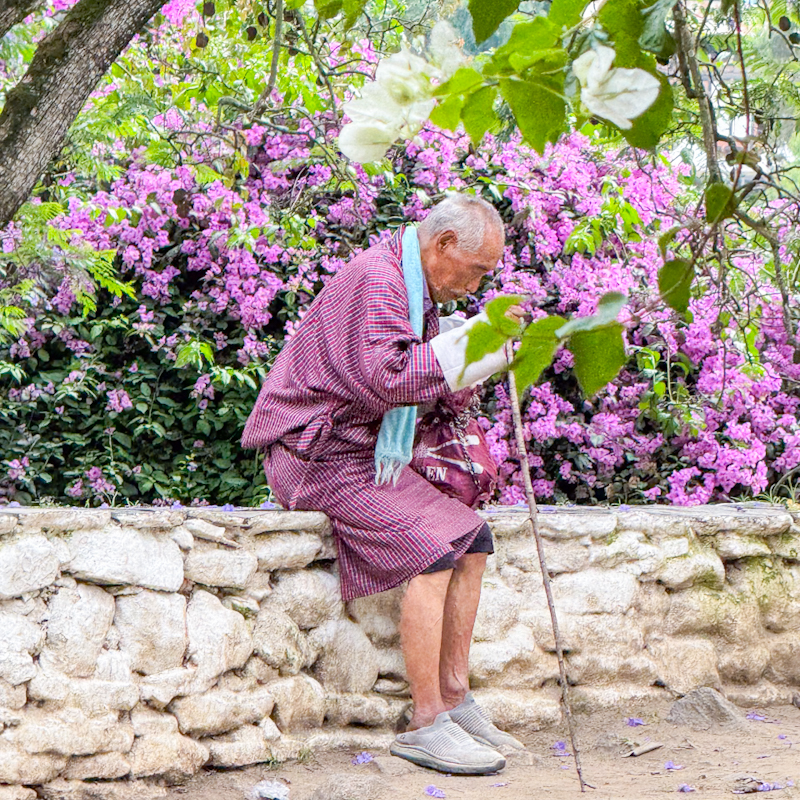
The People
Two key concepts to fully understand its people is that Bhutan is a country of villages and the Fourth King conceptualized decentralization of government al power at the start of his reign in 1974. “As far as you, my people, are concerned, you should not adopt the attitude that whatever is required to be done for your welfare will be done entirely by the government.” On the contrary, a little effort on your part will be much more effective than a great deal of effort on the part of the government,”he delivered during his coronation address.
With the establishment of two entities that would foster this plan, Bhutan today, under the now Fifth King, is built on autonomous and self-reliant villages, where decisions are largely made by the people, yet social services are accessible to even the most remote of villages.
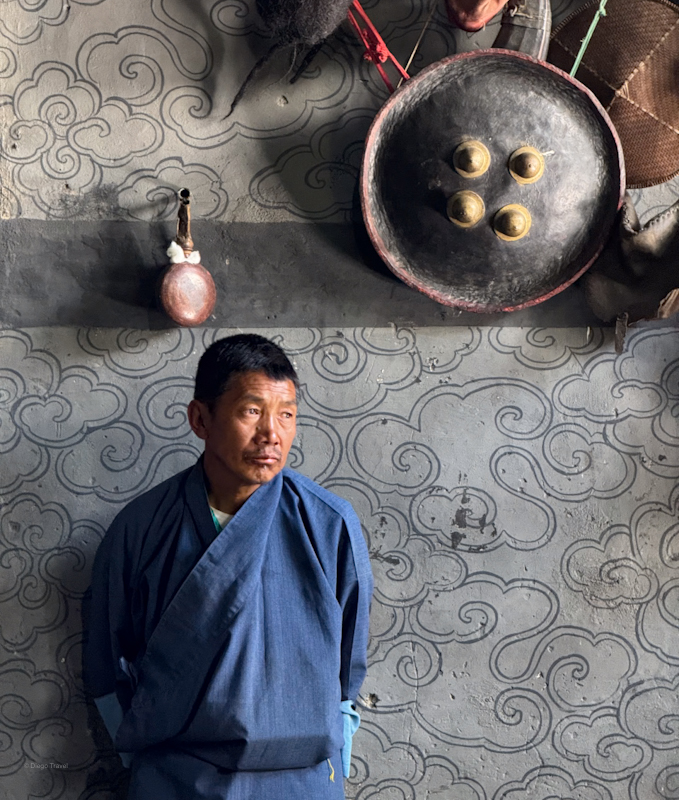
Now that I’ve explained these concepts, it is easier to grasp how selflessly helpful and humble the Bhutanese people are. They are never short a smile, and very modest when speaking with us loud Americans. Oftentimes, they’ll speak to you with a hand covering their mouth, which is a sign of respect. Because of their strong ties to the village, loyalty to family, tradition, and preservation are extremely important to them.

The Culture
The national sport in Bhutan is archery, and they even have an Olympic team. Baseball was introduced by the founder of MyBhutan in 2013 and to this day is a leading after-school activity for thousands of Bhutanese children in the country. Funding after-school sports programs is another initiative of MyBhutan’s Soul Projects, in which visitors are invited to participate in and experience with the locals during their stay in Bhutan.
I’ve touched already on the primary religion of Buddhism and how it transcends all aspects of daily life in Bhutan. One of the first questions I asked my guide as we strolled through Paro on the afternoon of my arrival was how religious the average family is and if they generally practice Buddhism. He thought about my question for a long minute and answered, “It is true that the young people visit temples less frequently and have a busier way of life, but the practice of Buddhism is enmeshed in our lives.”
Agriculture and environmental conservation are two other elements that interplay with Bhutan’s culture. Bhutan has a policy that must maintain 60% of its forest for all time, and is the first net zero country in carbon emissions. Bhutan remains a forerunner in global conservation efforts and was awarded the UN’s Champion of the Earth Aware in 2011.
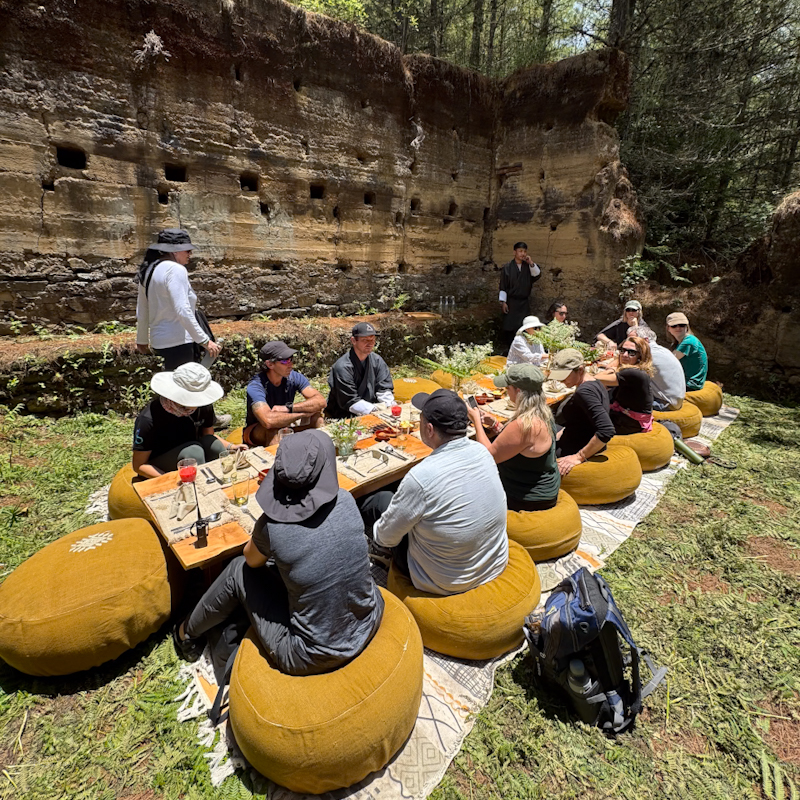
Exclusive Access to Monasteries and Homestays
In the 1980s, His Majesty formed the Council of Ecclesiastical Affairs, which funds the restoration and preservation of Bhutan’s monasteries. There are over 2,000 monasteries in the country today, and MyBhutan has exclusive access to many of these and the experiences they offer. In addition to its religious temples and monasteries, Bhutan has many traditional homes with families willing to open up their homes to our clients. In some you can stay as a guest, while in others you can share a meal or an experience that provides a glimpse into the Bhutanese way of life. Again, with our partner’s connections, anything is possible.

Tiger’s Nest
Perhaps the most important part of this Bhutan Destination Guide – I am saving the best for last. Tiger’s Nest is the most visited and photographed monument in Bhutan, and worthy of the effort it takes to hike to the summit. I would allow for a half-day for this experience, and you’ll want to start as early in the day as possible. Your guide will accompany you, and once at the top, bags and cameras are not allowed inside of the monastery, so you will store them in a locker. It does get cold inside, so be sure to pack layers, water and a light meal with you unless you plan to dine in the cafeteria that sits around the midway point. It is most commonly recommended to experience Tiger’s Nest on your final day in Bhutan, as a grand finale in the country. We stayed our final night in Amankora Paro, where I had possibly the best massage of my life following an almost maniacal climb/run up to Tiger’s Nest. What can I say? I love a challenge to go fast and the opportunity presented itself.
Upon finishing our hike to Tiger’s Nest, we had the most memorable experience in the garden of a private home, with a picnic lunch with views to the monastery. We had a tour of the home, which gave us a glimpse into Bhutanese life, and was the perfect authentic setting to celebrate a journey well done.
Insider Tips
Altitude Sickness
Altitude sickness, is a condition caused by acute exposure to low air pressure usually above 2,400 meters (approximately 8,000 feet). The main cause of altitude sickness is going too high too quickly; symptoms include headache, nausea, fatigue, dizziness and sleep disorder. Before your travel to a high altitude destination, avoid eating too much. If you stay at a high altitude, try to have some rest upon arrival. Limit any walking or activity; physically demanding activities are not recommendable for the first day. Drink plenty of water and avoid alcoholic beverages. I met with my doctor before travel who prescribed altitude sickness medicine. I did not need to take it on my trip to Bhutan, but mention it in case you would like to consult with your
doctor.
