
Peru
Peru
A DESTINATION GUIDE TO A FULLY IMMERSIVE EXPERIENCE OF PERU

Peru is a captivating South American country best known for its rich cultural heritage, stunning and dramatic landscapes, and ancient history. It is home to the iconic Machu Picchu, a 15th-century Incan citadel perched in the Andes, which draws travelers from around the world. Peru is so much more than this famous landmark though, where you can explore the vibrant city of Cusco, a UNESCO World Heritage site, or experience the mystical Sacred Valley. The Amazon Rainforest offers unparalleled biodiversity and opportunities for eco-tourism, while the Nazca Lines provide a glimpse into the country’s ancient civilizations. Peru also boasts possible the world’s best and most diverse cuisine, with dishes like ceviche and the traditional drink, pisco sour, making it a haven for foodies. Whether you’re hiking through the Andes, exploring ancient ruins, or discovering rich local traditions, Peru offers an unforgettable adventure. Depending on how much time you have and your budget, my goal is to help you make the most of your trip to Peru and curate an itinerary that is perfect for you.
When is the Best Time to Visit Peru? From May to September it is considered dry season, but it is also the busiest time of the year. The shoulder seasons of April and October will benefit from fewer crowds and warmer weather. December through March is the rainiest time of the year, particularly in late January, when heavy rains can heavily impact your trip.
Perfect For: Honeymooners | Adventure Trips | Foodies | Couples Trips | Family Vacations | Travel with Teens | Incentive Travel | Hikers
GETTING TO PERU

-12.0621065,-77.0365256
Lima
-13.51695415,-71.97927120704406
Cuzco
Peru Luxury Travel Guide
What to do in Peru
Lima Highlights
I recommend spending 1-2 nights to start off your trip in Lima. We started our day by visiting the Plaza Mayor, declared a World Heritage Site by UNESCO. We then visited several cathedrals, the Government Palace, City Hall and the Archbishop’s Palace. Our guide’s knowledge and sense of humor made the tour interesting and engaging. We then explored the San Francisco Monastery, which is home to the largest exhibition of colonial religious art work in America and the oldest library as well. We then drove through the nicest ‘colonia’ in Lima and ended our touring at the Larco Museum, located in a unique 18th century mansion. We had a delicious lunch at Café del Museo Restaurant, which I highly recommend. I would normally never eat lunch in a museum café, but this one breaks all the rules, offering great service and delicious food in a spectacular setting.
Sacred Valley
On our third morning, we woke early to fly to Cusco and transferred to the Sacred Valley, stopping en route in the town of Pisac, perusing the aisles of an outdoor market and stopping in to buy a hat from one of the local vendors. We then had lunch at Hacienda Huayoccari, a local homestead that houses a remarkable collection of colonial and folk art and overlooks the Sacred Valley with expansive views. Time in the Valley is indeed, sacred, and perhaps one of my favorite parts of the trip, where you can carve out some down time to relax before proceeding onto the more adventuresome parts of your trip. More on that under my description for Belmond Hotel Rio Sagrado.Machu Picchu
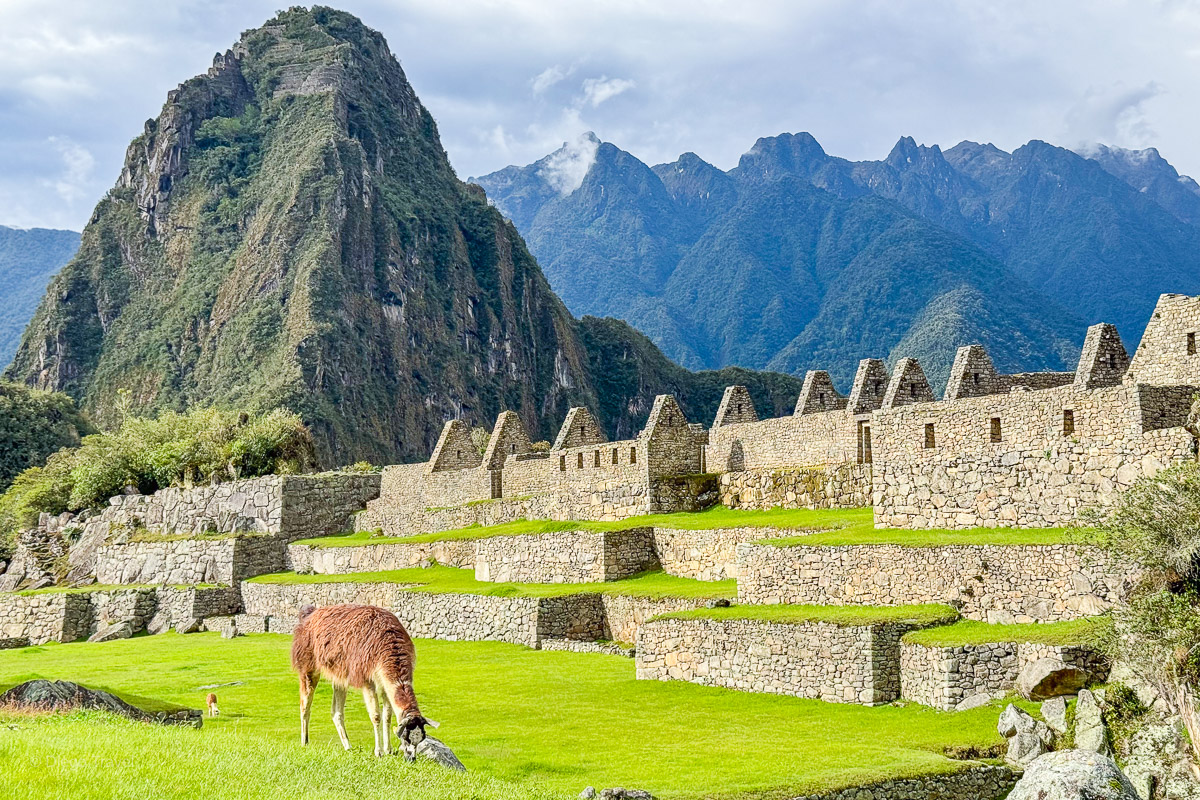
No matter how many photos or documentaries you’ve seen on Machu Picchu, they don’t do the real version justice. There’s a lot already out there on these Inca Empire ruins that stand, as if proudly, at 2,430 meters above sea level, so I won’t bore you with further descriptions of what you’ve most likely already read. What I will tell you is that your guide matters, and the insider knowledge that we can provide can make or break your experience. Machu Picchu is one of the most visited New 7 Wonders of the World, and for good reason. With our guide’s expert advice and insider methods, we literally arrived and felt we had them all to ourselves. The best part? It was raining all morning as we ascended, but when we arrived to the first vantage point to view them, the clouds parted and the sun shone down, as if beaming directly onto Machu Picchu. It was one of the most magical and breathtaking moments of my life.Hiram Bingham train
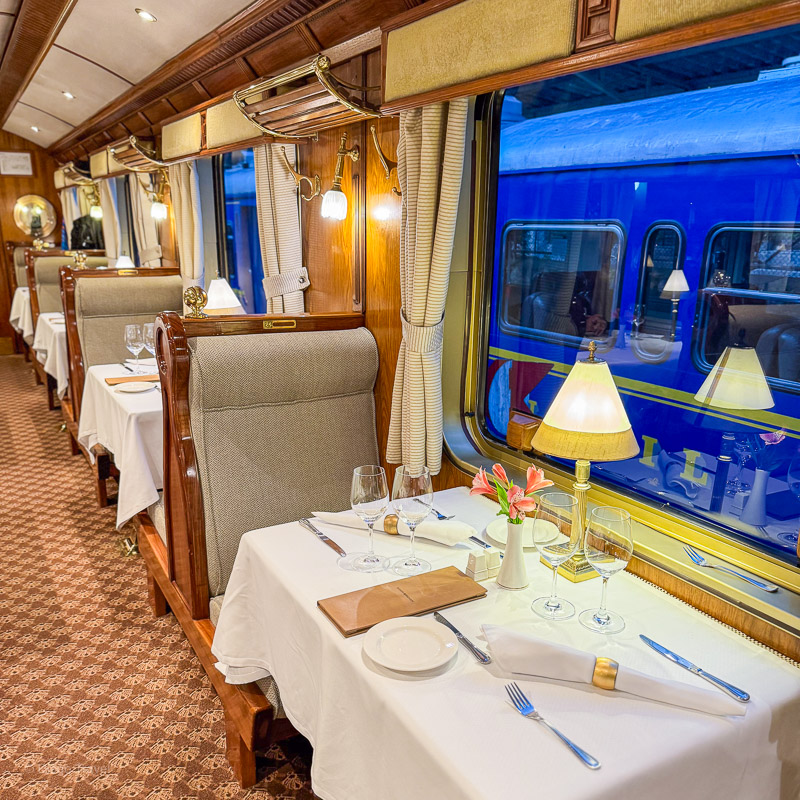
While experiencing Machu Picchu is exciting, there is no better way to get there than onboard the world-famous Hiram Bingham train. The popularity of this old-world, 1920s-style train provides elegant dining cars where you’ll have a full three-course meal followed by drinks, drinks and more drinks, then dancing along to a live band as they play on your way home. We had so much fun, and it was the perfect way to cap off the day. If there’s time, consider a massage back at your hotel in the Sacred Valley upon arrival. Your legs are gonna need it!Chinchero, Maras and Moray
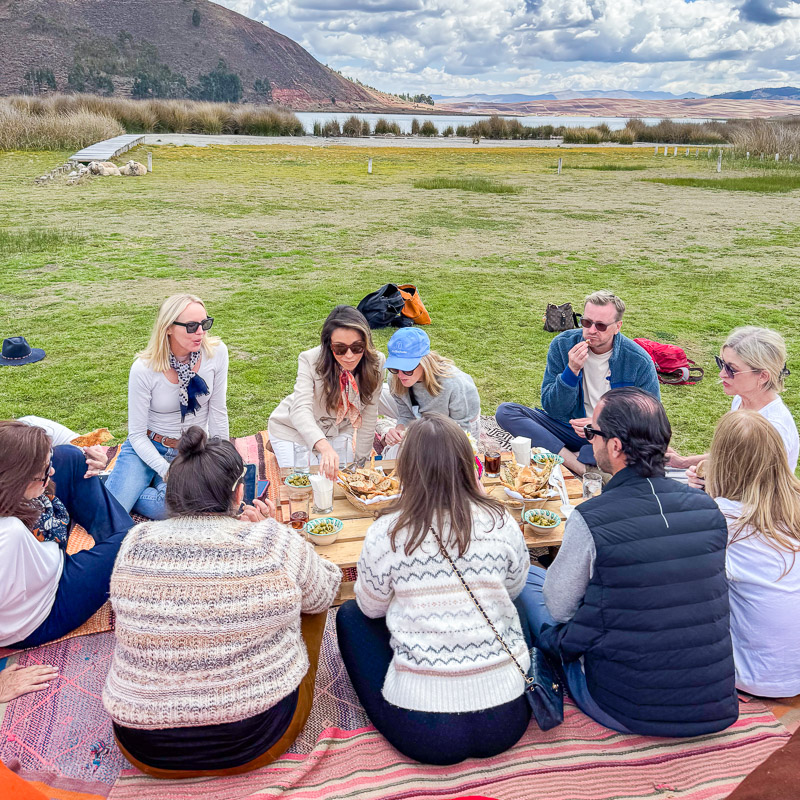
Part of our journey from the Sacred Valley to Cusco took us to Chinchero, Maras and Moray. There are large tour buses that come to these areas, but we wanted to experience it in an authentic and unique way. Our team stopped for the most delicious lunch at the edge of the breathtaking Huaypo Lake, where we were met by a team who had set up a beautifully decorated table under a white linen tent, and we dined on a gourmet lunch, surrounded by the distant sound of bahhhh-ing sheep and soft background music. It was glorious and just the type of experience I like to recreate for my clients.Cusco
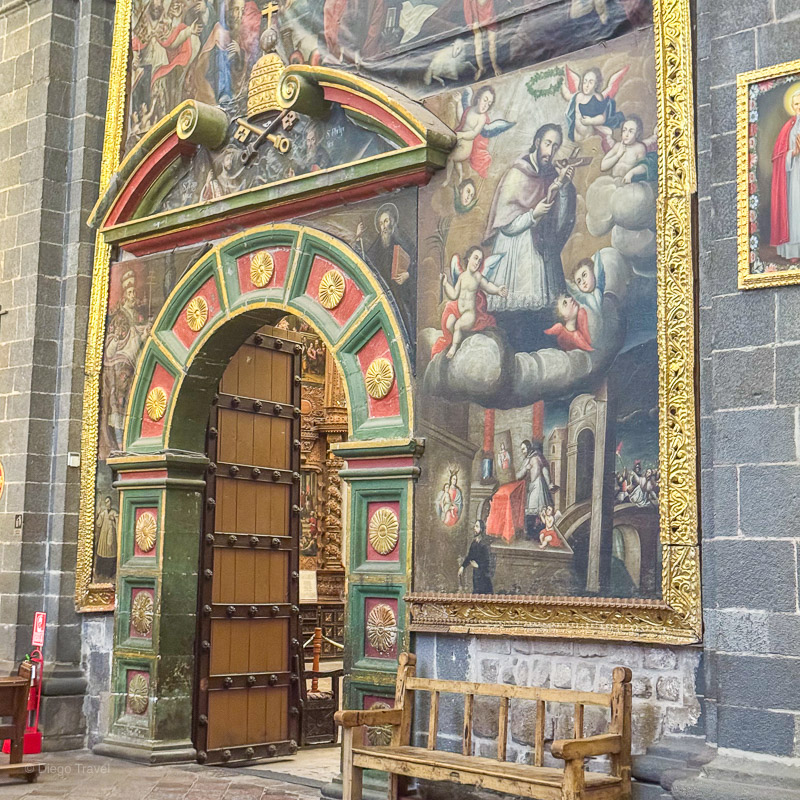
You won’t want to miss a full-day tour of the city of Cusco, where you’ll visit the main Cathedral on the Plaza de Armas and the Santo Domingo Temple, a Dominican church and convent built on the foundations of the Koricancha. You’ll also want to visiting the fortress of Sacsayhuaman, and won’t be able to stop calling it “Sexy Human” for the remainder of the trip. From Cusco, we visited a center for llamas, a co-op for women who weave textiles and teach young girls the craft, and we also visited a famous ceramicists’ studio. Cusco is a center for creatives, so you’ll find many ‘artesanias’ in this region, and I always suggest seeking out the authentic craftsmen who work hard to continue their artisanry.Andean Explorer Peru
Andean Explorer traverses one of the highest train routes on earth, traveling between the ancient Inca capital of Cusco to Puno on the shores of Lake Titicaca and the dazzling white city of Arequipa. Along the way you explore floating islands, fascinating archeological sites and majestic natural wonders. The Andean Explorer offers 1 or 2-night journeys and can be combined with the serenity of the Colca Canyon at an intimate retreat, Las Casitas, A Belmond Hotel. This region gets you off the beaten path for those looking for more than a 7 to 9-night trip. There are a total of 20 cars, with capacity for up to 70 guests aboard.





Where to Stay in Peru

A Note About The Belmond Hotels in Peru
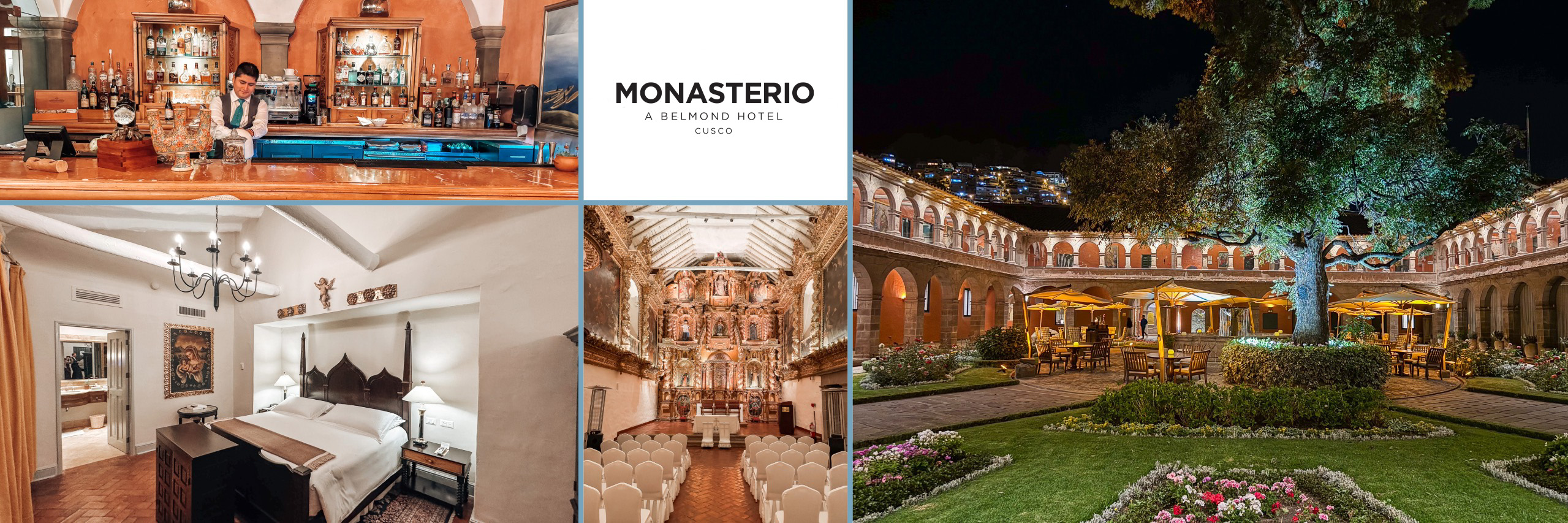
Today’s Belmond locations were all carefully staked out by its founder who wanted the very best locations with an aim to preserve original elements from Inca stone foundations to the colonial frescoes and gold-framed paintings found at each location. Because they were the first to put Peru on the map for global tourism, their locations are the best and their buildings original and unique.
However, there are some other notable boutique properties I will mention below. While I am typically not loyal to one brand across the board, I have no problem sending clients to multiple Belmonds across the board for a Peruvian trip because they are all just so good.

Miraflores Park, A Belmond Hotel, Lima

Belmond Hotel Rio Sagrado, Sacred Valley

Sanctuary Lodge, A Belmond Hotel, Machu Picchu
Monasterio, A Belmond Hotel, Cusco

Palacio Nazarenas, A Belmond Hotel, Cusco
Book with Diego Travel to Receive the Following Belmond Bellini Amenities:
- VIP Welcome Amenity
- Daily full breakfast
- Priority Room Upgrade
- $100 hotel credit per room, or $200 per suite
- Priority Early Check-In/Late Check-Out
- VIP Status
- Diego Travel Welcome Box when Using the Travel Planning Service
Other Notable Considerations for Luxury Hotels in Peru:

Hotel B, Lima

Sol y Luna, Sacred Valley
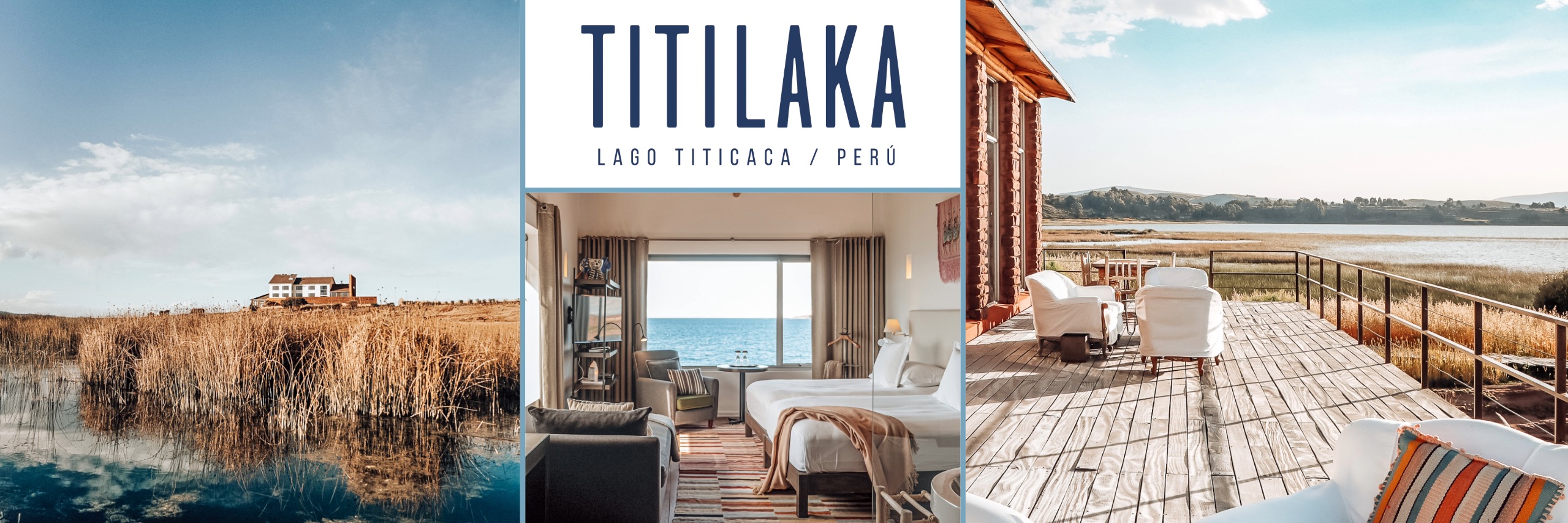
Titilaka
Titilaka, a remote experience lodge on the shores of Lake Titicaca, will immerse you in the intriguing allure of Lake Titicaca where sky, earth, and water connect. Another very special Relais & Chateaux property, this one is worth a visit.
Surrounded by stunning scenery and pristine geography, the lodge’s updated design and comfort integrates with the natural environment. The three-storey lodge offers 18 lake-view rooms facing Taquile and Amantani islands to the north; the Bolivian Cordillera Real to the East and Lake Titicaca stretching from East to West. At the northern tip of the peninsula lies the dock, departure point for both local and our excursion boats.
Upon arrival, they test each guest’s oxygen levels and provide oxygen to those that need it until they are acclimated.
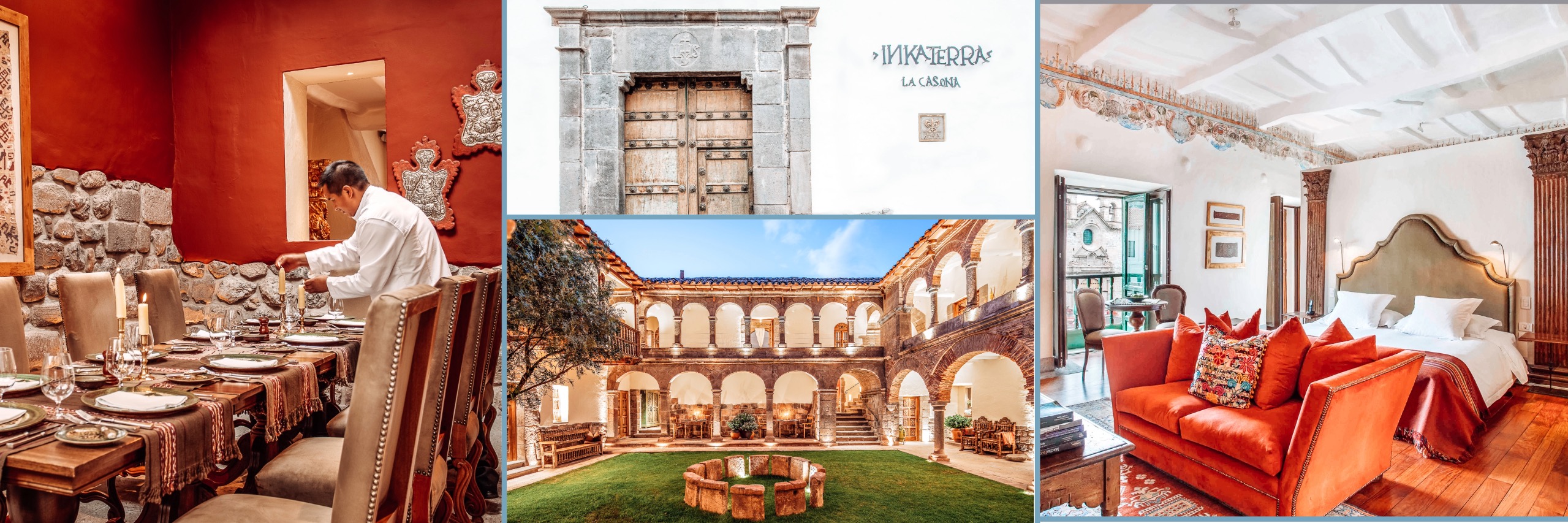
Inkaterra La Casona
Also located on the same plaza as Palacio Nazarenas and Monasterio is another boutique Relais & Chateaux property, Inkaterra La Casona. It is a small 16th century manor house and impeccably restored with careful attention to detail. I snuck a peak (did not stay here) and was quite impressed by the entry and staff. It is very private, and very small, so if that is something you are looking for, than Inkaterra La Casona would be a good fit for you.

Where to eat in Peru?
Central
Voted one of the World’s 50 Best Restaurants in 2013, Central is unique in that the chef bases the cuises on the elevation in which the ingredients grow. The founders, Virgilio Martínez and Pia León are also owners of Mil, near Cusco, and Maz in Tokyo. Reservations required.
Kjolle
Another creation by the famous Pia León, Kjolle incorporates arts and culture into the dining experience. Open seasonally, may through August, and reservations are required.
MIL Centro
Pia León’s timeless journey continues, this time 3,568 meters above sea level at the world-renowned restaurant, Mil. Surrounded by sacred mountains and local communities, MIL Centro is a thoughtful convergence of nature, history and intention. Located next to the Inca archaeological site of Moray, at 3,568 meters above sea level, MIL Centro is in continuous dialogue with the territory, the people and their worldviews. Reservations required.
La Mar
When I asked our Peruvian hosts on our trip their best recommendations for dining in Peru, their answers were a resounding “La Mar” for Peru’s best ceviche. A more casual establishment, if you’re curious what a true Peruvian ceviche should taste like, this is the place to experience it.
Tragaluz
Adding this hip and stylish establishment to the list that is a must-see for their award-winning bartender, Fiorela Larrea, and the famous concoctions imagined with regional ingredients that are sure to delight you. Located at Miraflores Park, A Belmond Hotel. Nothing better than a fabulous cocktail sipped from a rooftop bar overlooking the seascape.


A Few of My Favorite Things
Peru
The Food
The Culture
A Deluxe Picnic and Pachamama Ceremony
The Belmond Train Experiences
Diego Travel Insider Tip:
Altitude sickness, also known as acute mountain sickness (AMS) or “soroche”, is a condition caused by acute exposure to low air pressure usually above 2,400 meters (approximately 8,000 feet). Cusco is located at 3300 meters/ 10,800 feet above sea level. The main cause of altitude sickness is going too high too quickly; symptoms include headache, nausea, fatigue, dizziness and sleep disorder. Before your travel to a high altitude destination, avoid eating too much. If you stay at a high altitude, try to have some rest upon arrival. Limit any walking or activity; physically demanding activities are not recommendable for the first day. Drink plenty of water and avoid alcoholic beverages. I met with my doctor before travel who prescribed altitude sickness medicine. I took it just to be on the safe side, and felt just a slight headache while in Cusco.


